Pre-trip Inspection
Pre Trip Safety Inspection
The pre trip safety check is a basic check on a vehicle to ensure that safety related components have not worn or deteriorated to the extent that the vehicle is unsafe for normal use.
Safety related components include:
- Wheels and tyres.
- Steering, suspension and braking systems.
- Seats and seat belts
- lamps and reflectors
- Windscreen and windows including front windscreen wipers and washers.
- The structure of the vehicle itself
- Other safety related items on the body, chassis or engine.
How to Avoid getting a Traffic Infringement Notice (TIN):
- Always carry your valid Driving License, Registration Certificate(Green,white and red book) ,Motor vehicle Road Worthiness Certificate (Fitness card),Emission Certificate and Insurance papers whenever you drive.
- Wear the seat belt and drive within the speed limit.
- Follow the traffic sign boards (Like do not enter through the ?No Entry?).
- Always stop and produce the documents when stopped by Traffic and RSTA Inspectors.
- Do not use Mobile phones while driving.
Note: If at all you get the TIN, pay the penalties to the nearest RTSA office within Seven days
Safety Always
Safety Strategy for All
- Check the condition of your vehicle before you start your vehicle in the morning
- Always carry all your travel documents
- Always follow Right of Way Rules
- Always give way to pedestrians
- Always drive slowly so that you can stop within the distance of your visibility.
- Always follow golden rule See and be seen.
- Allow more time for your journey and never be in a hurry.
- Do not increase your speed to get away from a vehicle which may be closely following behind you.
- Keep your wind screen and side glasses net and clean.
- Avoid idle running of engine
- Avoid sounding horn needlessly
- Dip your head light and do not dazzle on coming vehicle
- Always drive in correct gear
- Always slow down while approaching corners, junctions or cross roads
- Do not park your vehicle on no parking zones
- Avoid sudden braking and harsh acceleration
- Do not use clutch pedal as a footrest
- Check Tyre pressure regularly
- Use correct lubricants
- Signal clearly your intention to start, stop, turn or brake
- If you drink dont drive and if you drive dont drink
- Do not drive with the choke on
Traffic Signs
Road Traffic Signs
1) Mandatory or Regulatory Signs–
In general there are three types of traffic sign:
These are compulsory signs to regulate the movement of traffic. They are usually circular in shape with white background, red border, black legends and red bars. Some of which are:
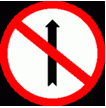
No Entry
Penalty Nu:750/-
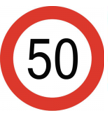
Speed Limit
Penalty Nu:1750/-
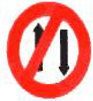
One way
Penalty Nu:750/-

No standing
Penalty Nu:750/-
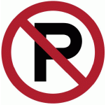
No parking
Penalty Nu:550/-
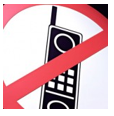
No-mobile-phones
Penalty Nu:750/-
2) Cautionary or Warning Signs–
Warning signs to alert the motorist of potentially harzardous conditions onroad ways and adjacent roads.They are usually triangular in shape with whitebackground,red border and black legend.
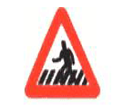
Pedestrian crossing
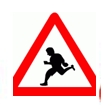
School ahead
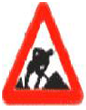
Man at work
3) Informatory Signs-
Guide signs providing information as directions, services, facilities etc. They are usually rectangular in shape with blue background and white legend.
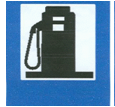
Fuel Station
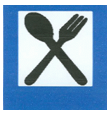
Restaurant
Scheduled Maintenance
Schedule Maintenance/Service Especially for commercial Vehicles(Buses, Taxis, trucks etc)
DAILY
- Check engine
- Check radiator coolant level
- Check power steering fluid
- Check brake/clutch fluid level
- Check the condition of the lights and indicators
- Check the operation of all emergency switches
- Check the condition of horn wipers
- Check all nuts/bolts and tight/replace if necessary
- Check tyre pressure.
WEEKLY
- Carry out the daily service
- Check gear box oil level
- Check fan belt
- Check air cleaner, clean element if required
- Check Brake oil level
- Check Differential oil level
- Check transfer gear oil level
- Check battery electrolyte level
Monthly
- Carry out daily and weekly service
- Check brakes
Grease oil spring shackles - Grease universal joints
- Grease steering joints
- Grease body pivot points
- Check all nuts/bolts and tight/replace if necessary
- Check and report on the condition of tyres
- Check the condition of fan belt
Quaterly (3 Months)
- Carry out weekly and monthly service
- Change engine and filters
- Check clutch, adjust if required
Yearly
Take to workshop and:
- Remove all brake drums and inspect lining
- Replace and adjust all wheel bearings
- Repair seats and body structures as required
- Change radiator coolant
- Change differential oil
- Change engine and gear oil
- Check all mechanical and electrical components and replace if necessary